For most people, a trim every 8 to 12 weeks keeps hair healthy, and if you're growing it out, a light "dusting" every 10 to 12 weeks is usually enough. So how often should you trim your hair? It depends on your cut, your texture, how much heat and color your hair sees, and whether you're chasing length or keeping a shape. Here's how our team in Palos Heights helps clients find the right rhythm.
How Often Should You Trim Your Hair? The Short Answer
Think of your trim schedule in terms of what you want your hair to do:
Short or precision cuts (pixies, bobs, blunt lines): every 4 to 6 weeks, because even a little growth changes the shape.
Medium-length, layered styles: every 6 to 8 weeks to keep layers falling where they should.
Long hair you're happy with: every 8 to 12 weeks to keep ends fresh.
Hair you're actively growing out: a small dusting every 10 to 12 weeks, taking off only what's needed.
These are starting points, not rules. Fine hair, curly hair and lightened hair can all need a different pace, which is why a quick check-in with your stylist beats a calendar reminder.
Does Cutting Your Hair Make It Grow Faster?
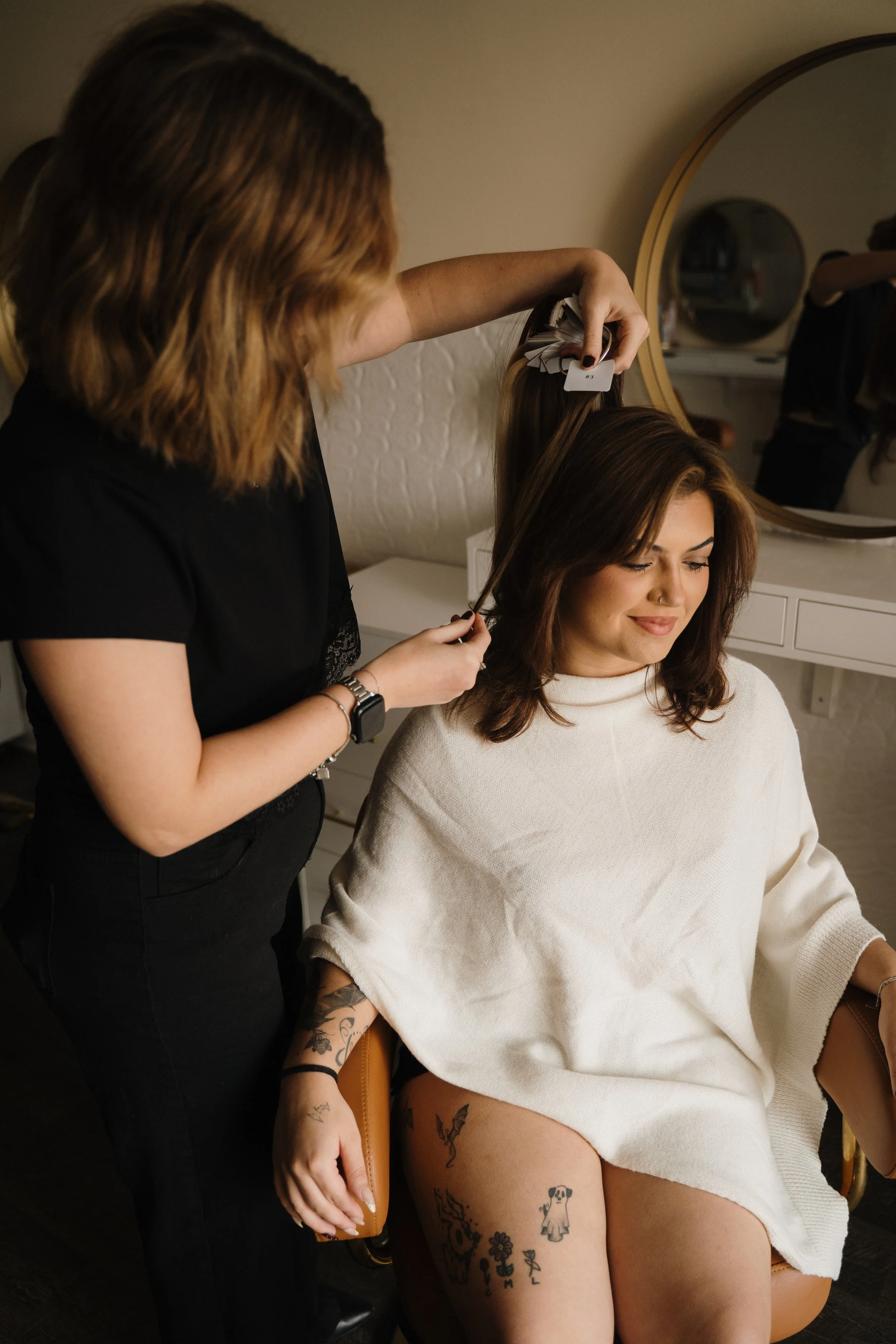
No. Hair grows from the follicle in your scalp, and trimming the ends doesn't change that. What a trim does is protect the length you already have. When split ends are left alone, they can travel up the hair shaft, so the ends break off and your hair seems stuck at the same length. Regular trims remove that weak hair before it causes more breakage, which is why hair often looks longer and fuller after a consistent trim schedule.
If your goal is length, the secret is gentle care between appointments plus small, regular trims, not skipping the salon for six months.
Signs You Need a Trim Right Now
Your hair will usually tell you when it's time. Watch for:
Split or frayed ends you can see when you hold a section up to the light
Ends that tangle easily or feel rough, even after conditioner
Hair that looks thinner at the bottom than near the top
A style that won't hold its shape or takes longer to blow out
Color that looks dull or uneven at the ends
Winter can make these signs show up faster. Dry indoor heat and cold air pull moisture from the hair, so ends get brittle sooner. Our post on why hair gets so dry in winter covers how to protect it at home.
How Often to Trim Color-Treated, Blonde or Damaged Hair
Lightening, frequent hot tools and color all ask a lot of your ends. If you get balayage, highlights or regular color, plan on a trim roughly every 6 to 10 weeks. Trimming away the most porous, over-processed ends helps your color look brighter and your toner last, and it makes your hair easier to style.
A good routine is to book your trim alongside your color or root touch-up appointment, so your ends and your color stay fresh together. You can see all of our hair color services in Palos Heights on our website.
Trimming Hair When You Wear Extensions
Extensions don't replace trims. Your natural hair keeps growing underneath, and its ends still need care so they blend smoothly with the extension hair. Most extension clients find it easiest to have their natural ends shaped at their regular move-up or maintenance appointment, when the stylist can see exactly how the two lengths sit together.
If you're curious how long your install will last between appointments, read how long hair extensions last, or learn more about our hair extension services.
How to Stretch the Time Between Trims
You can't skip trims forever, but you can help your ends stay healthy longer:
Use heat protection every time you blow-dry, curl or flat iron.
Detangle gently, starting at the ends and working up, with a wide-tooth comb or detangling brush.
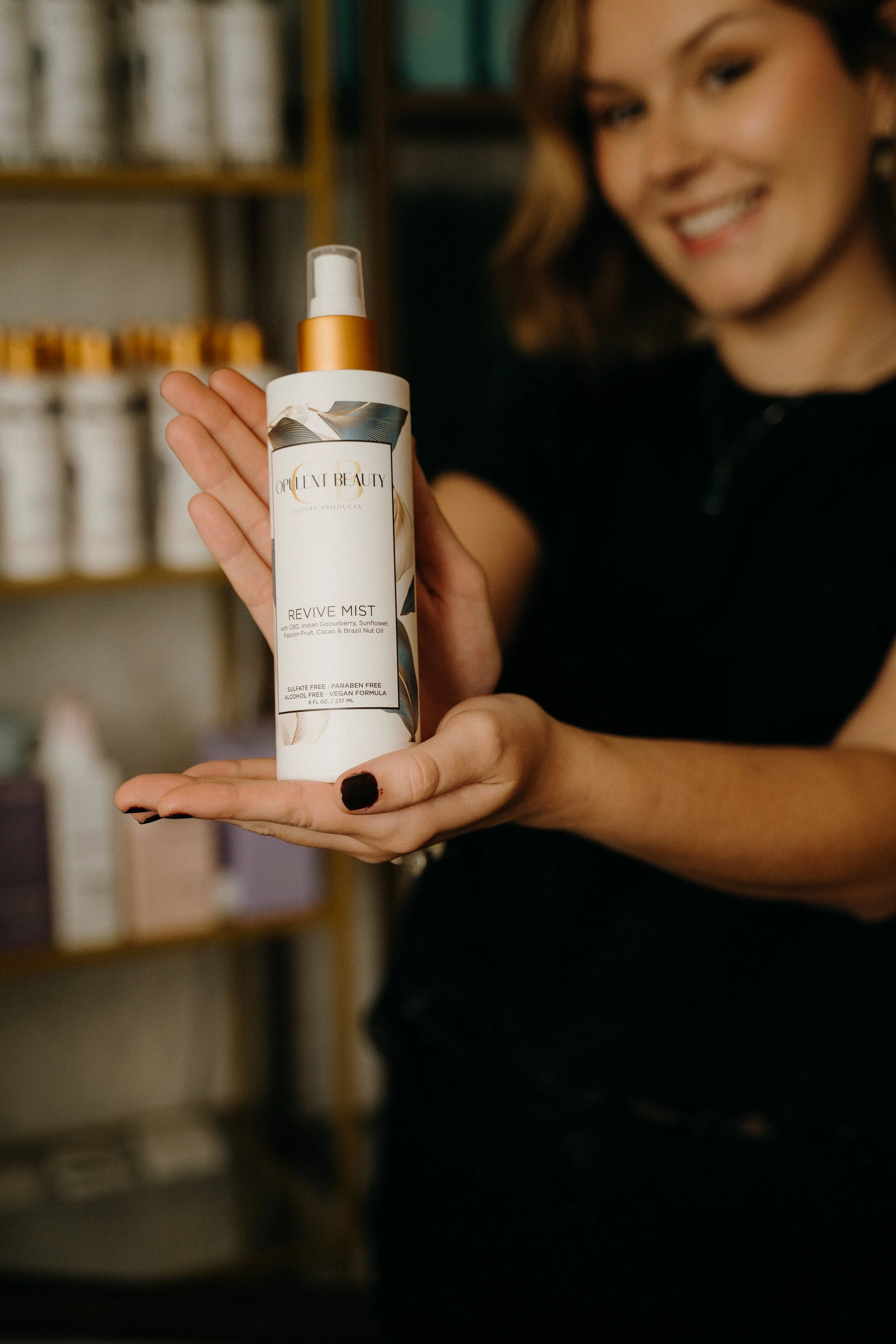
Hydrate with professional products. KEVIN.MURPHY Hydrate-Me Wash and Rinse and Re.Store are client favorites at our salon.
Protect your hair at night with a loose braid or silk pillowcase to reduce friction.
Skip the at-home snip. Kitchen scissors can leave ragged ends that split faster.
Frequently Asked Questions
What is the difference between a trim and a haircut?
A trim removes a small amount of length, usually just the dry or split ends, and keeps your current shape. A haircut changes the shape, length or layers. Your stylist can tell you which one your hair needs at your visit.
Is it bad to go six months without a trim?
It isn't harmful in itself, but split ends often build up during that time, so you may need to take off more length to get back to healthy hair. Smaller, more regular trims usually save more length in the long run.
How much hair is taken off in a trim?
It depends on the condition of your ends and your goals. If you're growing your hair out, tell your stylist up front so they focus on removing only damaged hair.
Book Your Trim at Opulent Beauty in Palos Heights
Whether you're growing out your length, keeping your blonde bright or caring for your natural hair under extensions, our team, including haircut specialist Alexis, will help you find a trim schedule that fits your hair and your routine. Book your appointment online, visit www.opulentbeautysalon.com, or call us at (708) 203-0660.